
Our Blog
Effective Merchandise Display Techniques for Driving Sales
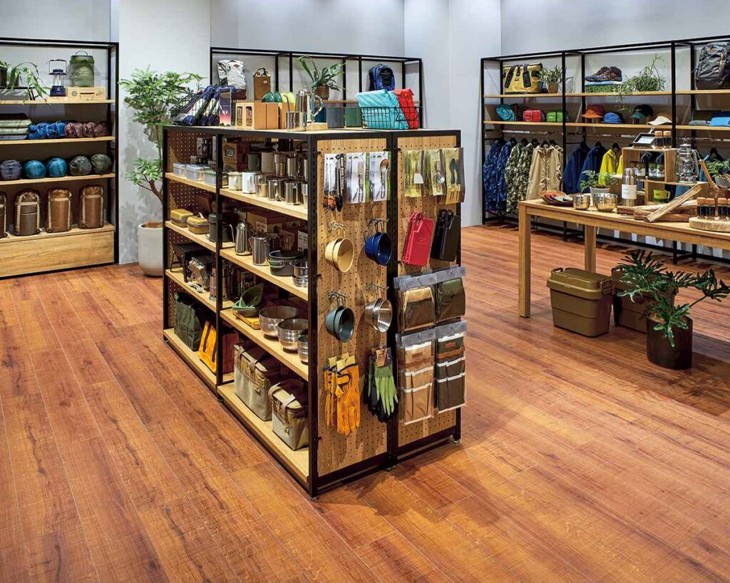
This article explains essential display strategies—including forward-facing vertical merchandising and Dump Displays—to help retailers enhance visual impact and stimulate customer purchasing behavior.
Table of Contents
1. The Basics of Vertical Merchandising
Why Product Displays Matter
Product displays significantly influence purchasing decisions and overall store performance. Placing new or seasonal items in highly visible spots drives customer interest and encourages impulse buying.
A cohesive display—whether through color coordination or aligned product fronts—elevates perceived product value. Strategic store flow also encourages customers to naturally pick up multiple products as they move through the space.
Retailers must also manage challenges such as limited shelf space, inventory balance, and staff training. Continual layout reviews and ongoing staff development are essential to maintaining high-quality merchandising.
Optimizing Display Areas
Optimizing display areas means designing shelf layouts, grouping products, and lighting in ways that maximize visibility and purchasing motivation. High-demand items should be positioned at eye level, while complementary items should be placed near one another to encourage add-on purchases.
2. Common Types of Display Methods
Forward-Facing Vertical Merchandising
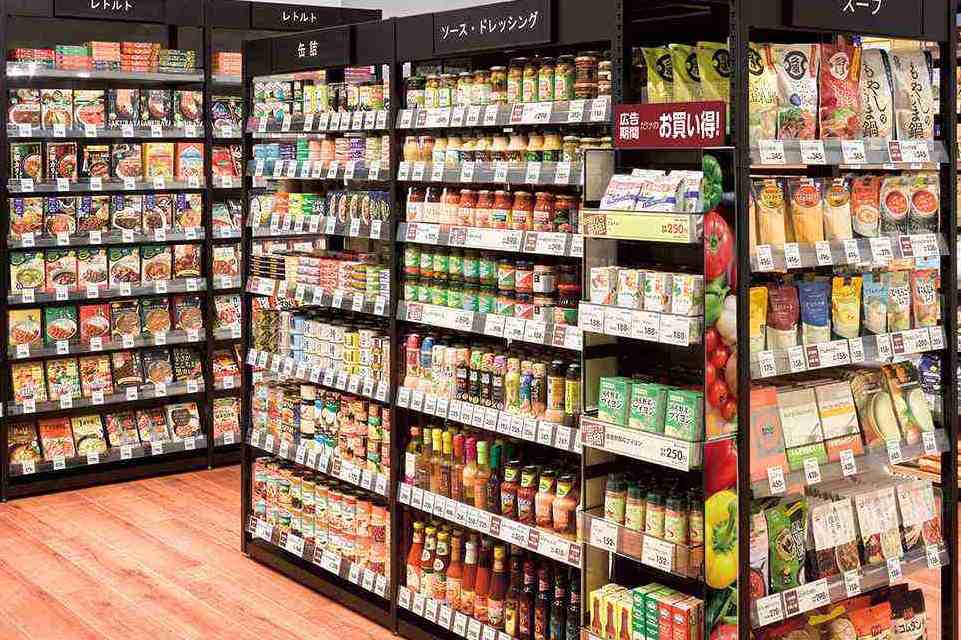
This technique places products higher toward the front of the shelf, creating a full and visually appealing presentation. Clear front-facing packaging helps customers identify items quickly, boosting impulse purchases.
It is especially effective for snacks, beverages, and newly launched packaged goods.
Dump Display
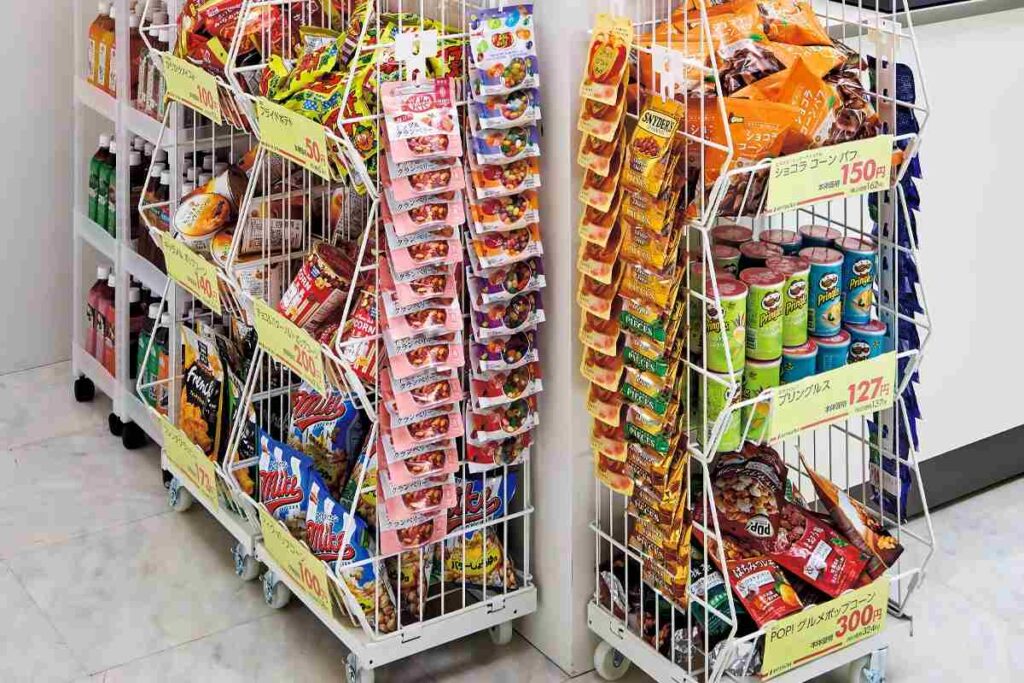
A Dump Display arranges items in casual, unstructured piles to evoke a sense of treasure hunting and value. This method encourages customers to browse longer and works well for inexpensive items, multi-color products, and seasonal promotions.
Visual Display
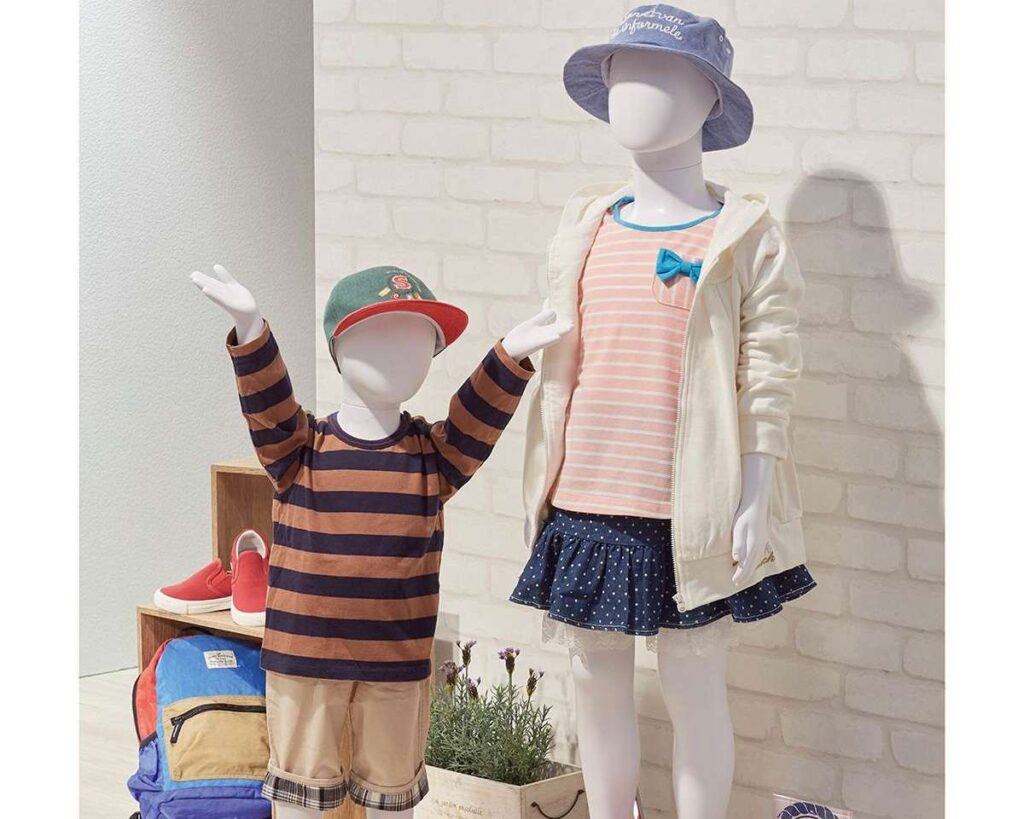
Visual Displays highlight key products with lighting, props, or mannequins. Presenting items at eye level and incorporating seasonal themes enhances engagement and elevates the store atmosphere.
⇒ Explore our store fixtures by Store Express
3. Key Merchandising Techniques
Effective Use of Facing
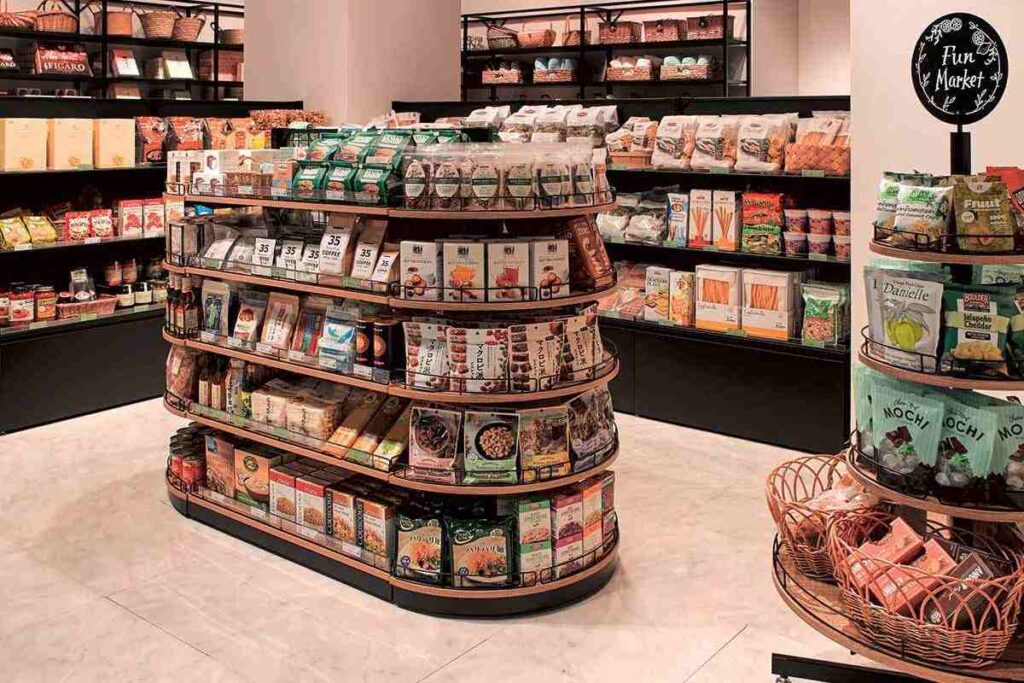
Facing determines how many units are shown on the shelf and which product sides are visible. Well-maintained, full-looking shelves signal abundance and make items easier to find. Regular restocking and giving high-performing items prime positions are essential.
Cross-Merchandising
Cross-merchandising places related items in close proximity—such as bread and jam—to encourage multi-item purchases. Effective setups consider visibility, accessibility, and product compatibility.
Eye-Level Placement
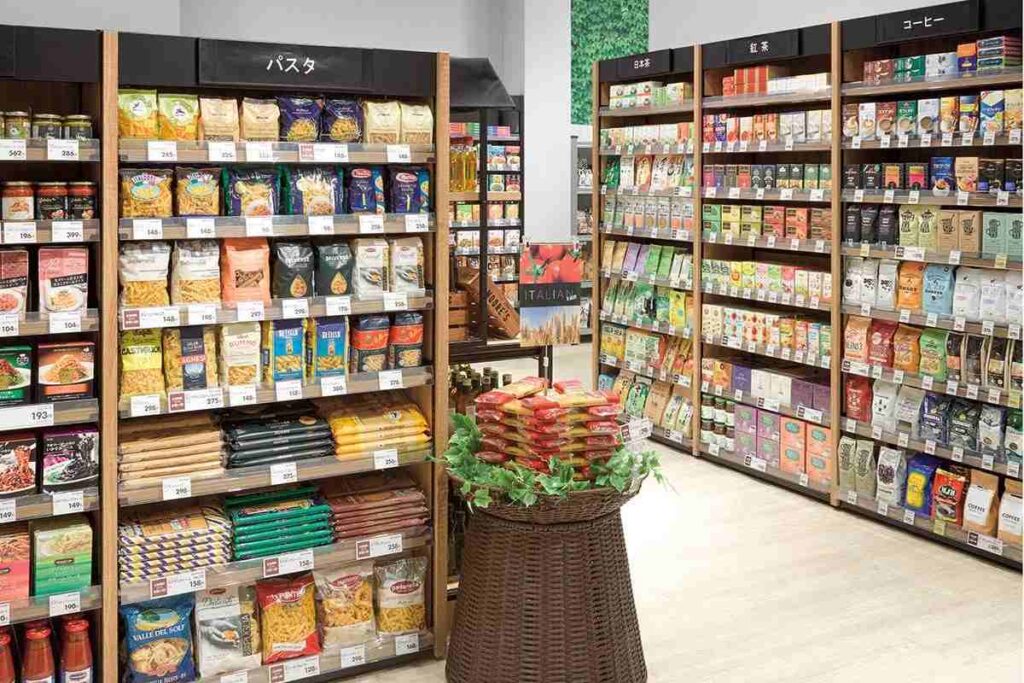
Eye-level placement refers to positioning products within the shelf area that naturally attracts customer attention. Placing best-selling or newly launched items in this zone increases visibility, enhances product recognition, and maximizes sales potential.
Triangle Display
A triangle display arranges items with a central high point and lower points on both sides. This balanced visual structure draws attention to the featured item in the center.

Center-Placement Strategy
Placing promotional or new products at gondola ends or other natural focal points significantly increases exposure. Rotating featured products seasonally keeps displays fresh and engaging.
Creating Eye-Catching Displays
Effective displays prioritize:
- High visibility
- Clear color coordination
- Strategic use of space
Well-designed layouts guide sightlines, extend dwell time, and encourage impulse purchases. Seasonal themes, best-seller features, and well-placed accents increase engagement and repeat visits.
4. Conclusion
Strategic merchandising enhances store traffic, increases purchase motivation, and ultimately improves sales. By adapting display methods to customer behavior, retailers can create more engaging and profitable store environments.