
Our Blog
What Is a Toddler? Why Toddler Mannequins Matter in Retail—and How to Use Them Effectively
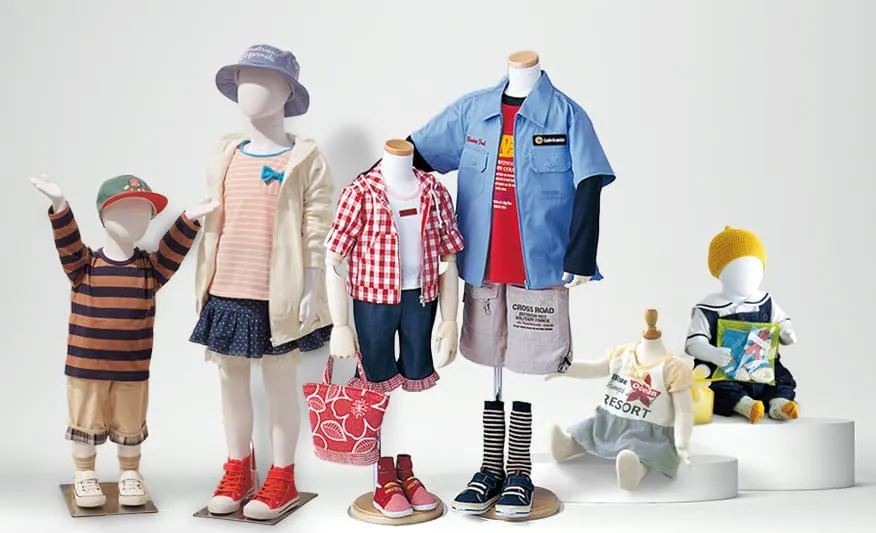
In family-oriented apparel stores, it’s common to see not only adult mannequins but also a variety of kid-sized forms. Using mannequins in different sizes helps retailers showcase products more effectively and communicate styling ideas at a glance.
However, children’s mannequins come in several size categories, and many store managers wonder which type they should invest in. If your goal is to enhance product presentation and appeal to parents more efficiently, toddler-size mannequins are one of the most versatile and impactful options.
This article explains what “toddler” means in the apparel industry, how it differs from other kids’ size categories, and why toddler mannequins are so useful. We’ll also share practical tips for displaying toddler apparel using mannequins or dress forms.
Table of Contents
1. What Is a Toddler?
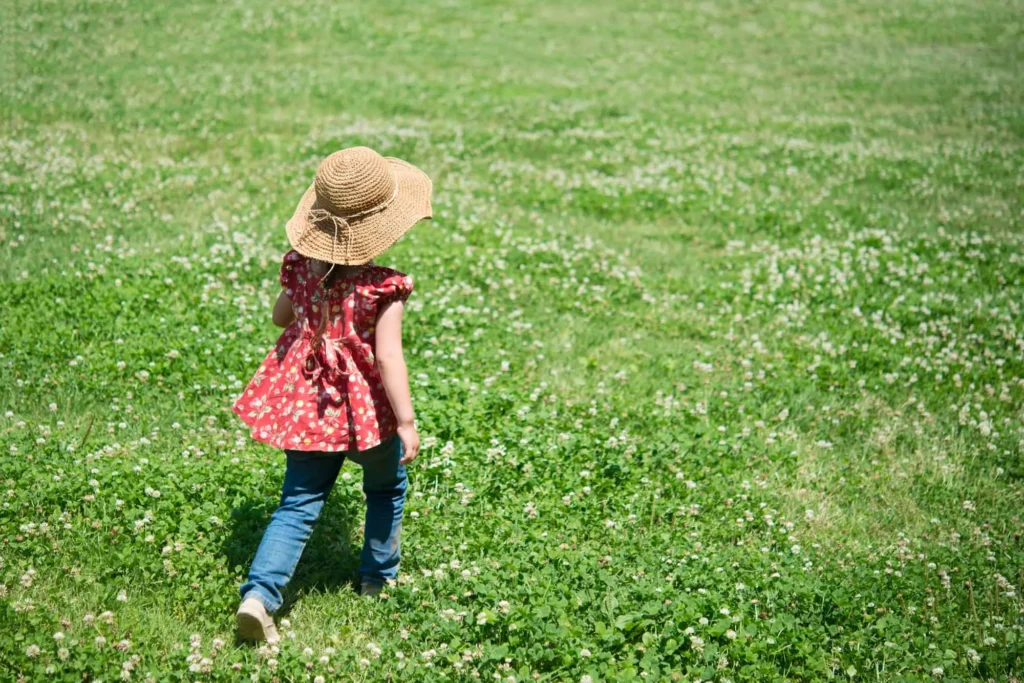
A toddler generally refers to a young child who has recently started walking—typically around ages 2 to 5. Although exact age definitions vary across brands, “toddler” generally covers the early childhood stage before children move into school-age sizes.
2. How Toddler Differs From Baby and Junior Categories
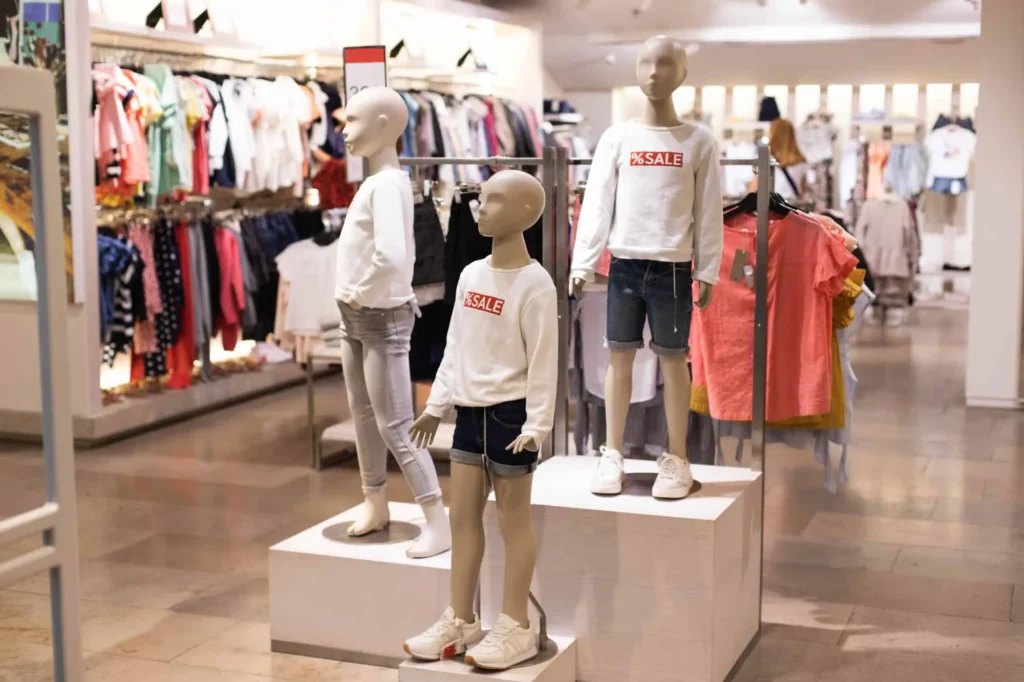
In retail, children’s apparel (from newborn to around 15 years old) is often divided into four broad size categories:
- Newborn (0–1 year): Height 50–70 cm
- Baby (1–4 years): Height 80–100 cm
- Toddler (4–7 years): Height 100–130 cm
- Junior (7–15 years): Height 130–160 cm
These ranges are not universal, as each brand defines its own sizing, but the above categories are widely understood in the industry.
Some brands combine toddler and junior into one “Kids’’ category, or use three divisions such as Baby / Kids / Junior.
⇒ Explore our store fixtures by Store Express
3. Why Toddler-Size Mannequins Are Essential
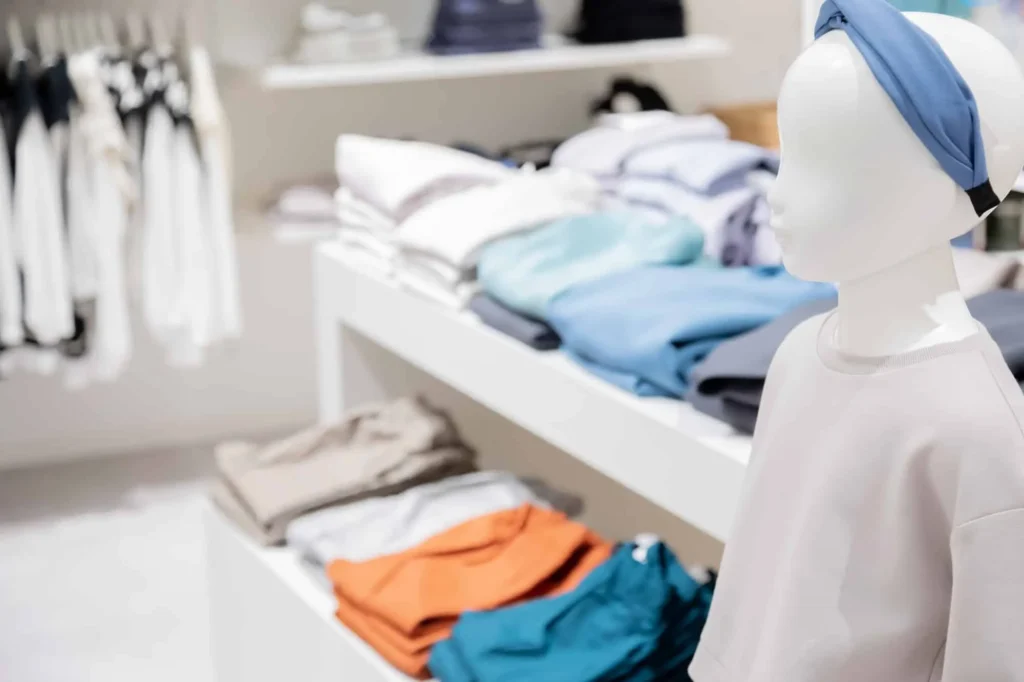
Mannequins play a crucial role in retail—they allow customers to visualize how garments look on a real body and help communicate style, proportion, and key outfit ideas.
If your store carries multiple age groups, ideally you would prepare mannequins for each: baby, toddler, junior, and adult. However, space limitations often make this impractical.
This is where toddler-size mannequins become especially valuable:
- Their height (around 120 cm) pairs well with adult mannequins, allowing for balanced “family” scenes.
- They visually represent a wide range of kids’ apparel—from preschool age up to early elementary school.
- They offer more styling flexibility than baby mannequins, which are harder to dress and pose.
In short, toddler mannequins deliver maximum impact with minimal space.
4. Mannequins vs. Dress Forms: What’s the Difference?
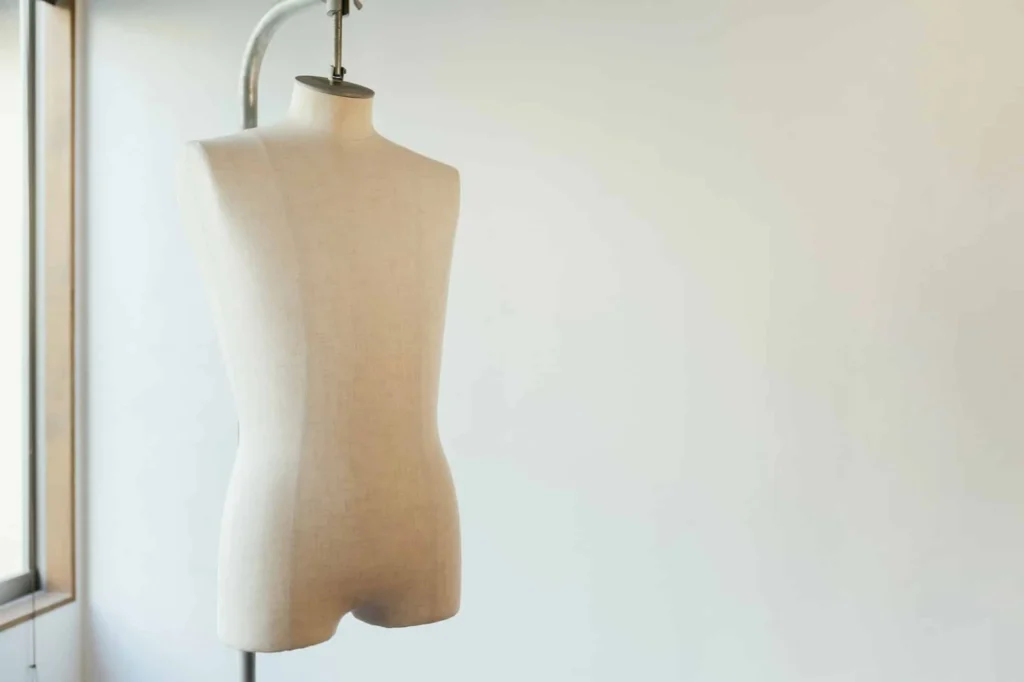
In apparel displays, you’ll encounter two main types of tools: mannequins and dress forms (also called torsos). Understanding the difference helps you choose the right one for your display goals.
Mannequin
A mannequin includes a full or near-full human figure—head, arms, and legs.
Key advantages:
- Shows full silhouette and fit
- Can hold accessories such as hats or bags
- Creates a more lifelike, premium impression
Dress Form (Torso)
A dress form includes only the torso and often lacks a head, arms, and legs.
Key advantages:
- Lightweight and easy to move
- Quick outfit changes for fast-paced merchandising
- Ideal for stores that refresh displays frequently
In recent years, hybrid types have become common—for example, torsos with detachable arms, or mannequins without heads.
5. Tips for Using Mannequins and Dress Forms Effectively
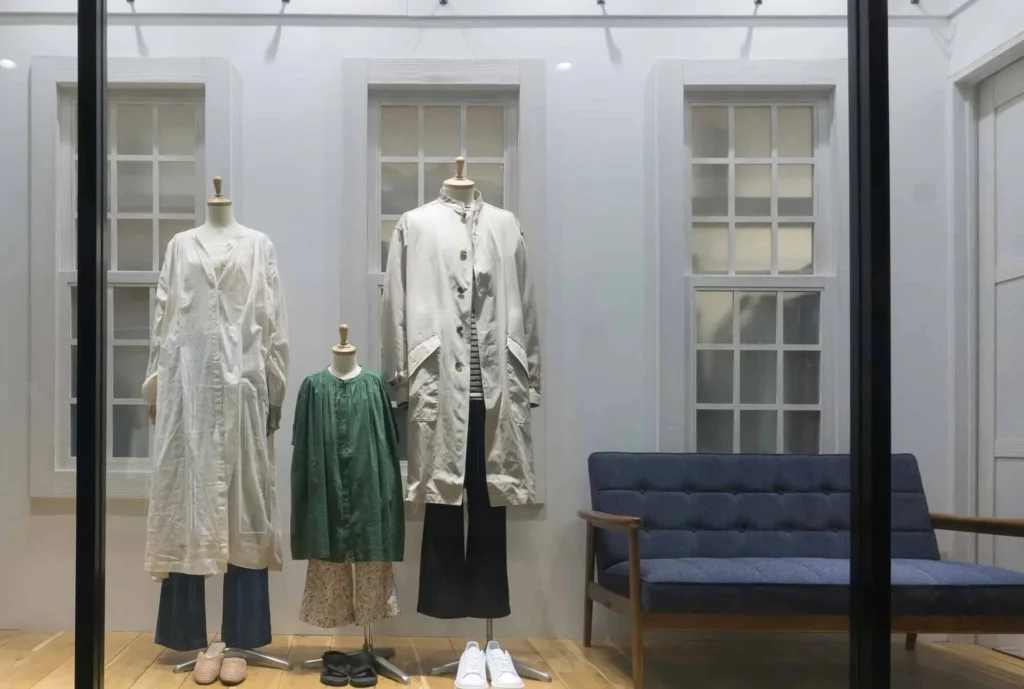
Simply dressing a mannequin isn’t enough to drive sales. To maximize their impact, keep the following points in mind:
Set a Clear Display Theme
Before dressing your mannequins, decide on a scenario or lifestyle moment:
A family day at a theme park, a weekend camping trip, a movie outing, or a holiday getaway.
A defined concept makes styling easier and helps customers imagine themselves wearing the product.
Use Poses That Match the Scene
If your mannequins have movable arms or legs, pose them naturally to match the theme.
Avoid unrealistic or uncomfortable positions—customers should immediately understand the activity or mood being expressed.
Choose Sizes That Balance Well Together
When creating a family display, aim for proportional balance:
A combination of baby, toddler, and junior sizes placed together creates a more natural family grouping.
Since younger children have similar body shapes regardless of gender, the key is choosing the right size, not necessarily a gender-specific form.
6. Enhancing Your Display With Toddler Mannequins
Adding toddler-size mannequins alongside adult or junior mannequins allows your store to reach family shoppers more effectively.
To maximize results, pair them with thoughtful scene-setting, realistic poses, and balanced sizing.
If your product assortment includes children’s apparel, toddler mannequins offer exceptional versatility and visual impact—making them a smart investment for any retail environment.